
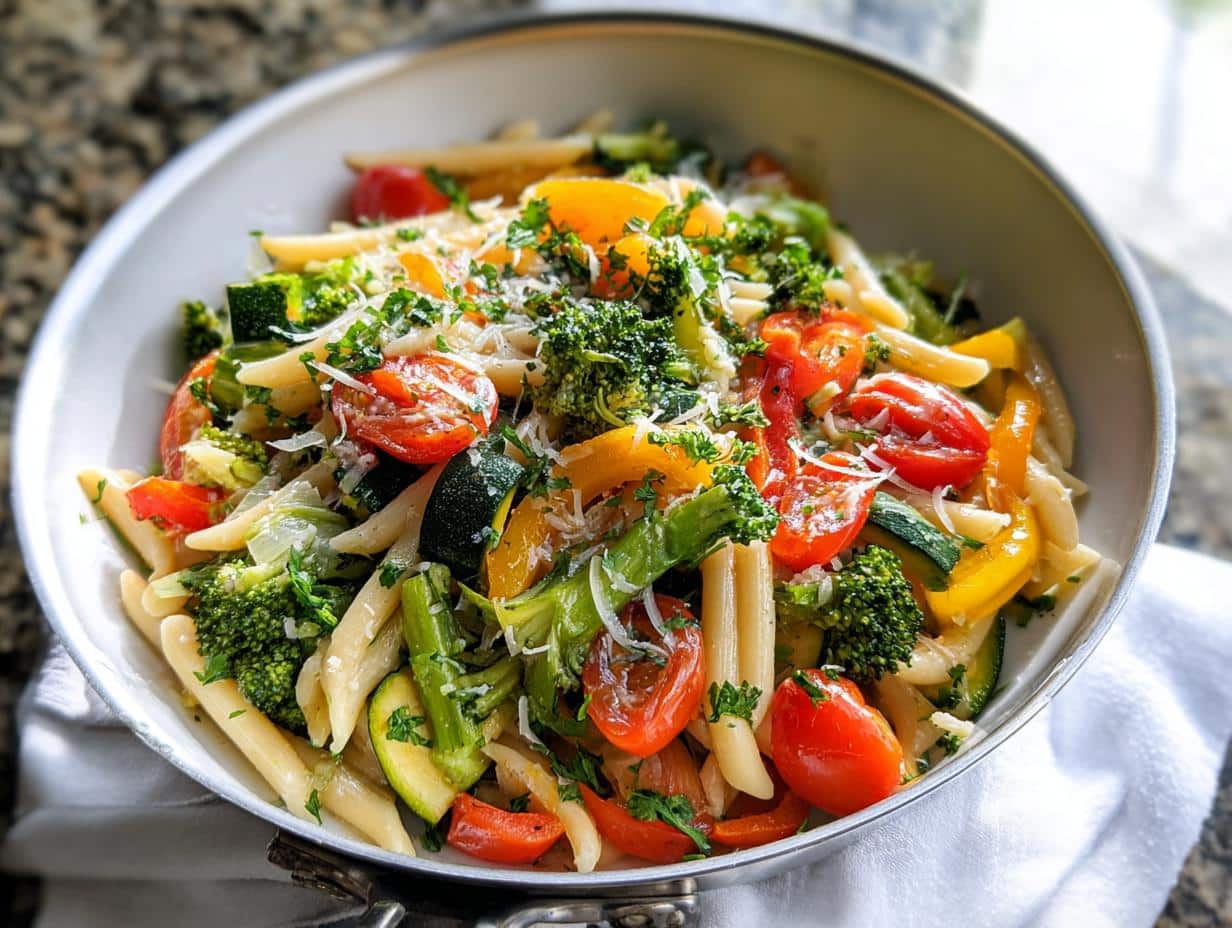
I totally get it—pasta is one of those foods everyone thinks you have to ditch when you’re focusing on lighter eating, and honestly, that used to frustrate me! As a Registered Dietitian, I firmly believe that true, sustainable healthy habits come from balance, not restriction. That’s why I got obsessed with creating this Low-Calorie Pasta Primavera.
This isn’t just a side dish; it’s a full, satisfying meal. We’re packing it with so many colorful vegetables that they almost take over, offering incredible texture and freshness without the need for heavy cream or loads of oil. This recipe is my answer for anyone craving that cozy pasta feeling while still hitting their health targets. It proves that you can absolutely enjoy your favorites while eating well—it’s all about smart swaps and flavor focus!
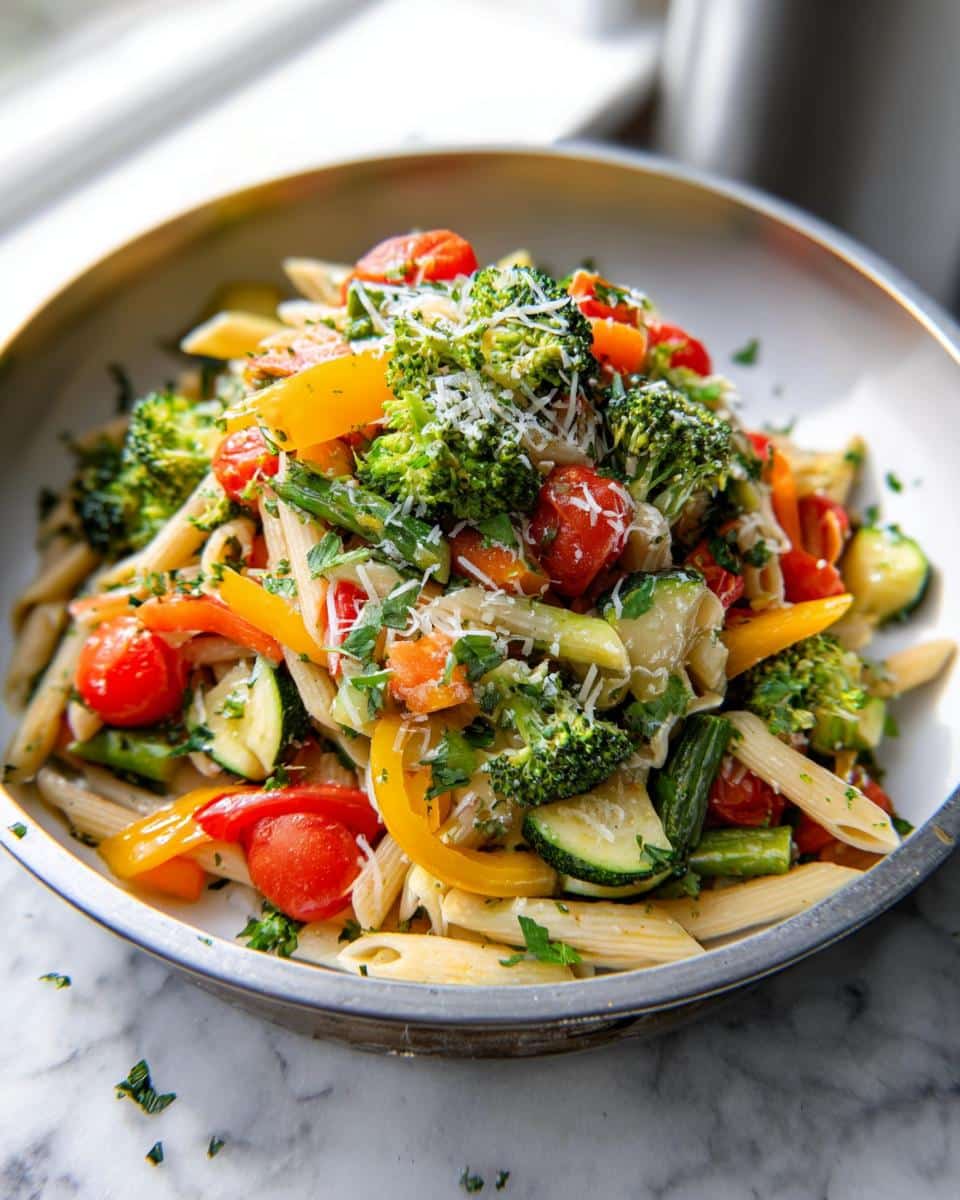
Why This Low-Calorie Pasta Primavera Supports Your Goals
When you’re aiming for lighter eating, you shouldn’t have to feel like you’re compromising on your favorite comfort foods. This dish is designed specifically to be one of those magic Healthy Recipes that ticks all the boxes for your busy schedule.
- It’s perfect for supporting your Weight Loss Meals because we’ve swapped heavy bases for volume and fiber.
- You get that clean, fresh taste that makes it a fantastic Clean Eating Recipe staple.
- It’s fast! Seriously, we’re talking 25 minutes total, making it ideal for weeknight success.
Flavor Without the Heavy Cream in Your Low-Calorie Pasta Primavera
The biggest secret here is skipping the usual heavy cream or butter-bomb sauce. We rely completely on the natural moisture released by the sautéed vegetables, especially those juicy heirloom tomatoes! You get this wonderful, light coating instead of something that weighs you down. It coats the pasta beautifully, I promise!
Maximizing Vegetables for Balanced Meals
This is a *Primavera*, after all, so we load it up! You get tons of different textures and vitamins in one bowl. When the peppers, zucchini, and broccoli soften just right, the color alone makes you excited to eat it. These veggies really boost the fiber, which helps keep you feeling full and satisfied for hours.

Essential Ingredients for Your Low-Calorie Pasta Primavera
When you’re making a Low Calorie Recipe that relies on fresh produce, the quality of your ingredients really shines through! I’ve listed exactly what you need below, but don’t worry if you don’t have every single item. This recipe is flexible; it’s about hitting that high vegetable count.
- You’ll need about 4 oz of gluten-free pasta—just enough for a satisfying single serving.
- For the veggies: one head of broccoli cut into florets, one red onion (chopped), one red bell pepper (diced), one yellow bell pepper (diced), zucchini (diced), and some lovely heirloom tomatoes.
- We finish it off with salt to taste, fresh garlic, 2 tablespoons of dried Italian seasoning, 2 tablespoons of fresh lemon juice, 2 tablespoons of chopped fresh parsley, and about 1/2 cup of shredded Parmesan.
Ingredient Notes and Smart Substitutions for Low-Calorie Pasta Primavera
I chose a gluten-free pasta here mainly because I find it cooks up a little lighter, but honestly, if you have whole wheat or even chickpea pasta on hand, go for it! The real flavor comes from the veggies. Don’t skip the lemon juice; that bright acid acts like a flavor booster instead of needing heavy cheese sauce.
If you go dairy-free, you can easily replace the Parmesan with nutritional yeast—it gives you that savory hit without the dairy fat. Also, if you don’t have yellow peppers, just use two red ones! It’s about getting that color palette on your plate.
Step-by-Step Instructions for Perfect Low-Calorie Pasta Primavera
Okay, let’s get cooking! The key to making this quick dinner work is timing—we want the vegetables tender-crisp right when the pasta is perfectly al dente. Don’t stress; I’ll walk you through exactly how I manage the pots and pans to make sure everything comes together seamlessly! This quick cooking assembly line means you won’t feel stuck in the kitchen all night.
Cooking the Pasta and Preparing the Vegetables
First things first, put that pasta pot on the stove and get the water boiling for your 4 oz portion of gluten-free pasta. Remember to aggressively salt the water—it’s your only chance to flavor the actual noodle! You’ll want to keep an eye on the package directions. While that heats up, start chopping everything else so you’re ready to go as soon as the water is boiling. It’s the perfect time to work on your knife skills, which you can practice even for easy recipes for kids later!
Building the Light Sauce Base in Your Skillet
Grab your favorite deep skillet—the 12-inch one is perfect here—and just a tiny bit of olive oil over medium-high heat. You want to start with the red onion, letting it sauté for about two minutes until it starts getting fragrant. Next, toss in the harder veggies—the broccoli florets and all those diced bell peppers. We sauté those for another two minutes before adding the zucchini. Those heirloom tomatoes hit the pan last; their natural juices are what create our light sauce base along with the oil.
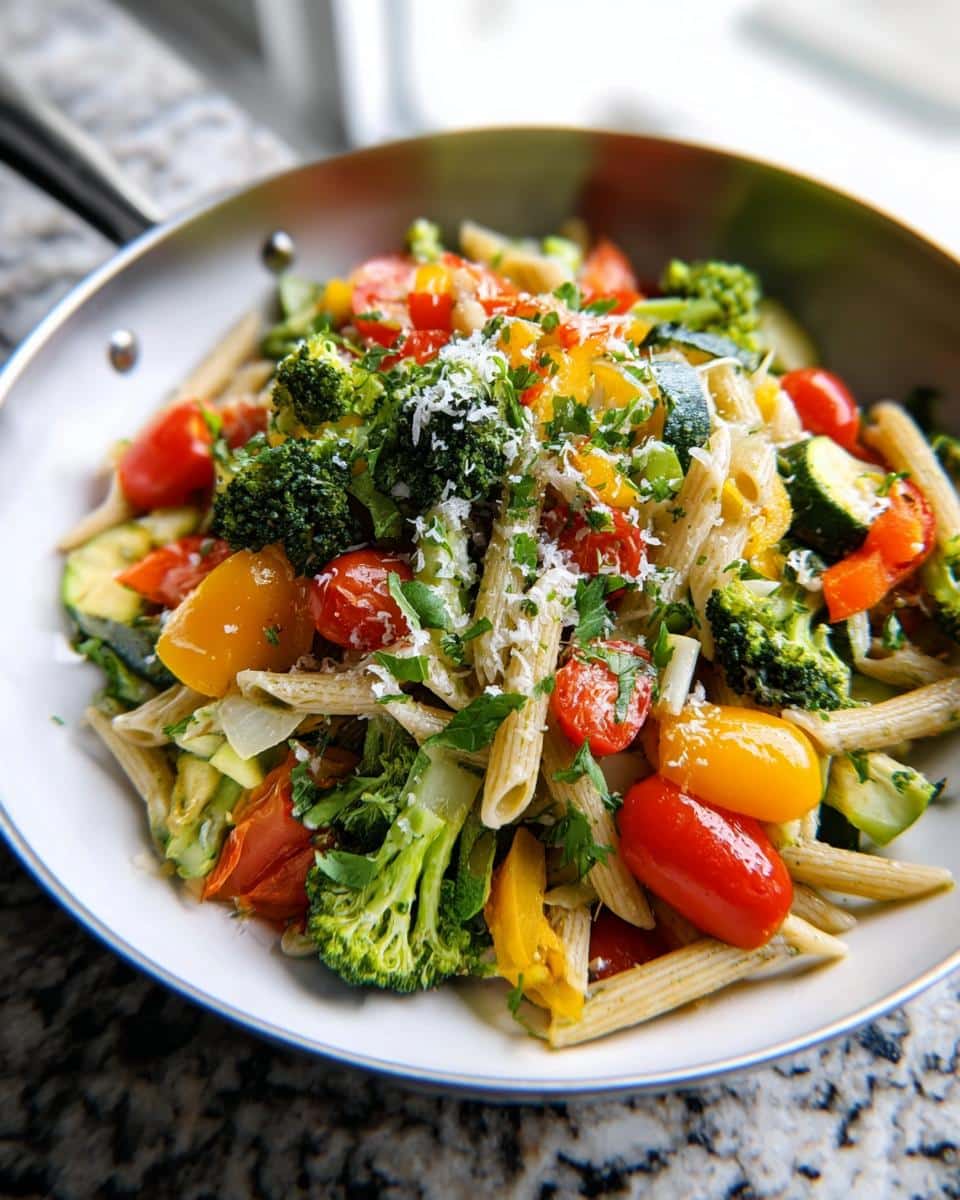
Combining and Finishing Your Low-Calorie Pasta Primavera
Once the veggies are *nearly* soft, turn off the heat and transfer them directly into the empty pasta pot—that’s where the magic happens! Add your drained pasta, a big squeeze of fresh lemon juice, and seasoning. If it looks a little dry after tossing everything, add just a splash or two of that reserved pasta water. I swear by this trick; that starchy water helps the lemon and seasonings cling perfectly without needing any heavy fat. Give it a good toss, then top it with fresh parsley and that sprinkle of Parmesan cheese!
Tips for Success When Making Low-Calorie Pasta Primavera
Listen, even with simple recipes, there are always a few little chef secrets that make the difference between good and truly *great*. For this Low Calorie Recipe, the biggest thing is managing your heat and timing so those veggies stay bright!
Please, please, please don’t walk away while sautéing the broccoli and peppers. You want them to have a tiny bit of bite left—that happy, tender-crisp texture. If you cook them until they are completely soft in the skillet, they will turn mushy when you add them to the pasta! It’s better to undercook them by one minute in the pan.
Also, remember that liquid gold: the pasta water. If your final mixture seems too clingy or a tad dry after you toss the pasta in, never panic. Just add a tablespoon of that starchy, salty water until the lemon juice and oil create a beautiful, glossy coating. That’s how you guarantee a perfect texture every single time!
Storage and Reheating Instructions for Leftover Low-Calorie Pasta Primavera
I know sometimes we make this recipe and it’s just too much for one sitting—and that’s a good problem to have! If you have leftovers of this lovely Light Meal, keep them stored in a really airtight container right in the fridge. They hold up beautifully for about three days. Now, reheating is where a lot of people mess up pasta, but not you!
When you take it out of the fridge, it will seem a little tight. Don’t just microwave it dry! Before you heat it up, toss a teaspoon or two of plain water or vegetable broth right over the top. This little bit of liquid steams the pasta back to life, ensuring the whole dish stays moist and doesn’t dry out. It’s the secret to enjoying this fresh flavor again tomorrow!
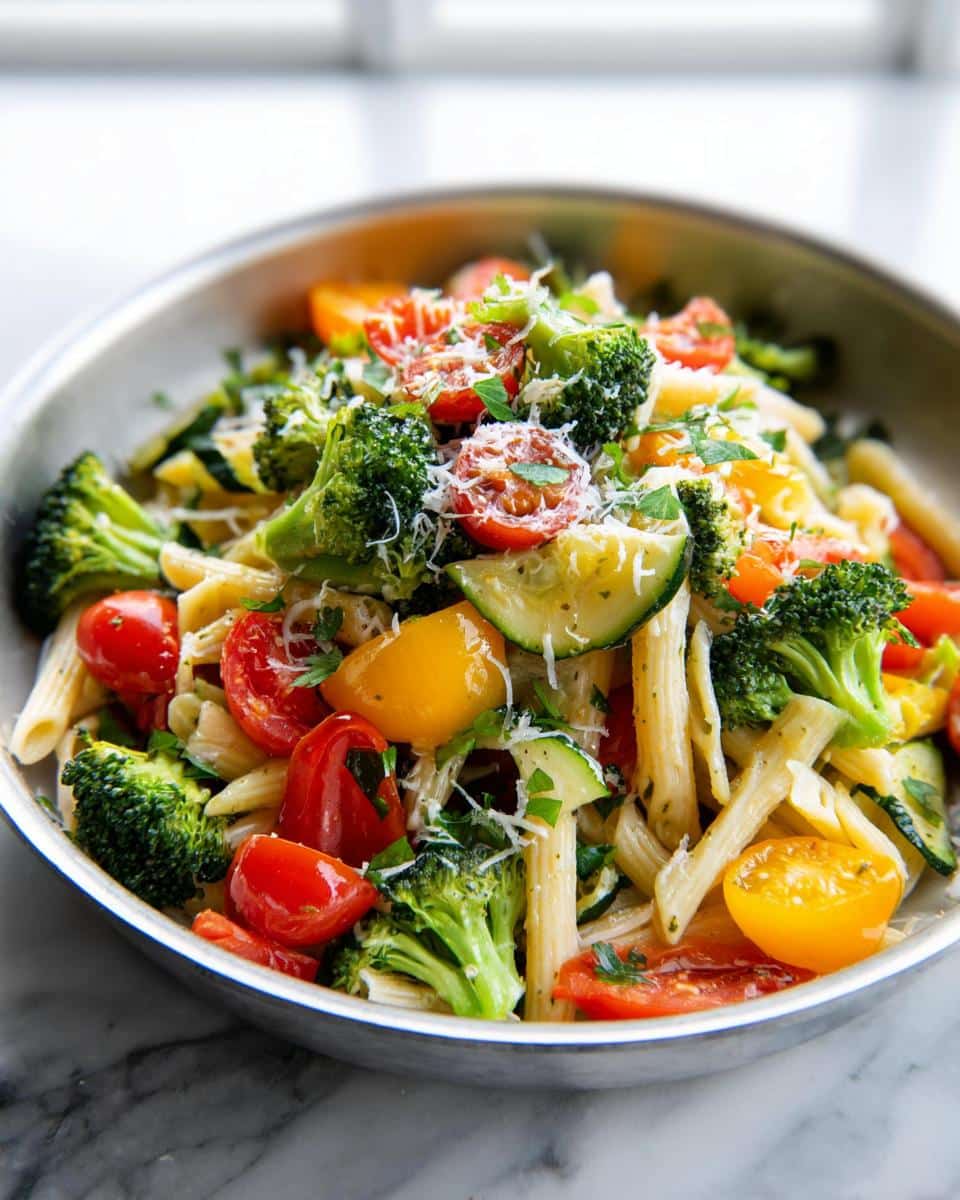
Making Variations of Low-Calorie Pasta Primavera
One of the best things about this Healthy Dinner Idea is how easily you can switch things up based on what looks best at the store! If you make this as a regular staple, you’ll want some easy ways to keep it exciting without adding a ton of calories.
For a great summer twist, swap half the peppers for tiny, halved cherry tomatoes and add some fresh basil right at the very end. The basil wakes up the whole dish! Or, if you’re feeling a winter vibe, try swapping the zucchini for thinly sliced mushrooms and using dried tarragon instead of Italian seasoning.
If you really want to boost the protein but keep it low-cal, toss in some pre-cooked shredded chicken breast when you add the pasta back in. It makes it a fantastic and filling option for busy days!
Frequently Asked Questions About Low-Calorie Pasta Primavera
I always get a ton of questions when people try a lighter version of a classic favorite, and that’s awesome because it means you’re thinking about how to make this recipe fit *your* life! Here are a few things I hear most often about this Low Calorie Recipe.
Can I use regular wheat pasta instead of gluten-free?
Oh, absolutely! If you don’t need to eat gluten-free, feel free to use whatever your favorite pasta is, like semolina or whole wheat. Just remember that the gluten-free option I listed tends to cook up a little lighter, so watch your serving size if you switch to regular pasta to keep those Portion Control Recipes in mind!
How can I make this dish Low Carb?
That’s a great question if you’re focusing on Low Carb Recipes. To make this the lowest carb possible, skip the pasta entirely! Instead, use zucchini noodles (zoodles) or spaghetti squash. Sauté the veggies exactly as written, and then toss them with the sauce ingredients and lemon juice. It’s delicious and keeps the flavor profile intact!
What’s the easiest way to make sure this is a balanced meal?
The vegetables give you tons of nutrients, but if you want to make sure this hits all the marks for a Balanced Meal, add lean protein! Toss in some pre-cooked shrimp or grilled chicken breast when you add the cooked pasta back to the skillet. That addition helps keep you satisfied even longer without adding unnecessary fats.
Can I skip the cheese?
You can definitely skip the Parmesan if you want to keep the dairy out, but I would encourage you to replace that salty, savory element with two tablespoons of nutritional yeast. It gives you that cheesy depth without the dairy or extra fat, making it a fantastic option for a vegan kitchen too!
Estimated Nutritional Snapshot for Low-Calorie Pasta Primavera
When we talk about making smart choices for Fat Loss Meals, I always get asked for the numbers! It’s important to know what you’re putting in your body, right?
For this single serving of Low-Calorie Pasta Primavera, you can expect the following profile:
- Estimated Calories: [Insert Estimated Calorie Count Here]
- Estimated Fat: [Insert Estimated Fat Grams Here]
- Estimated Protein: [Insert Estimated Protein Grams Here]
- Estimated Carbohydrates: [Insert Estimated Carb Grams Here]
Now, a quick, important note from me as your guide: these are estimates based on the specific measurements I listed. If you change your pasta type or use a different brand of Parmesan, those numbers will shift slightly! Always treat these totals as a wonderful starting point for your Weight Loss Meal tracking.
Share Your Thoughts on This Low-Calorie Pasta Primavera
I truly hope this recipe becomes a staple in your rotation of Healthy Dinner Ideas! Emma Brooks here—I’m a Registered Dietitian, and my goal is always to show you that eating healthy doesn’t mean sacrificing comfort.
If you try this lighter pasta primavera, please let me know how it goes! Did you swap out any veggies? Leave me a star rating below and tell me what you thought in the comments. I absolutely love seeing your creations when you tag us online!
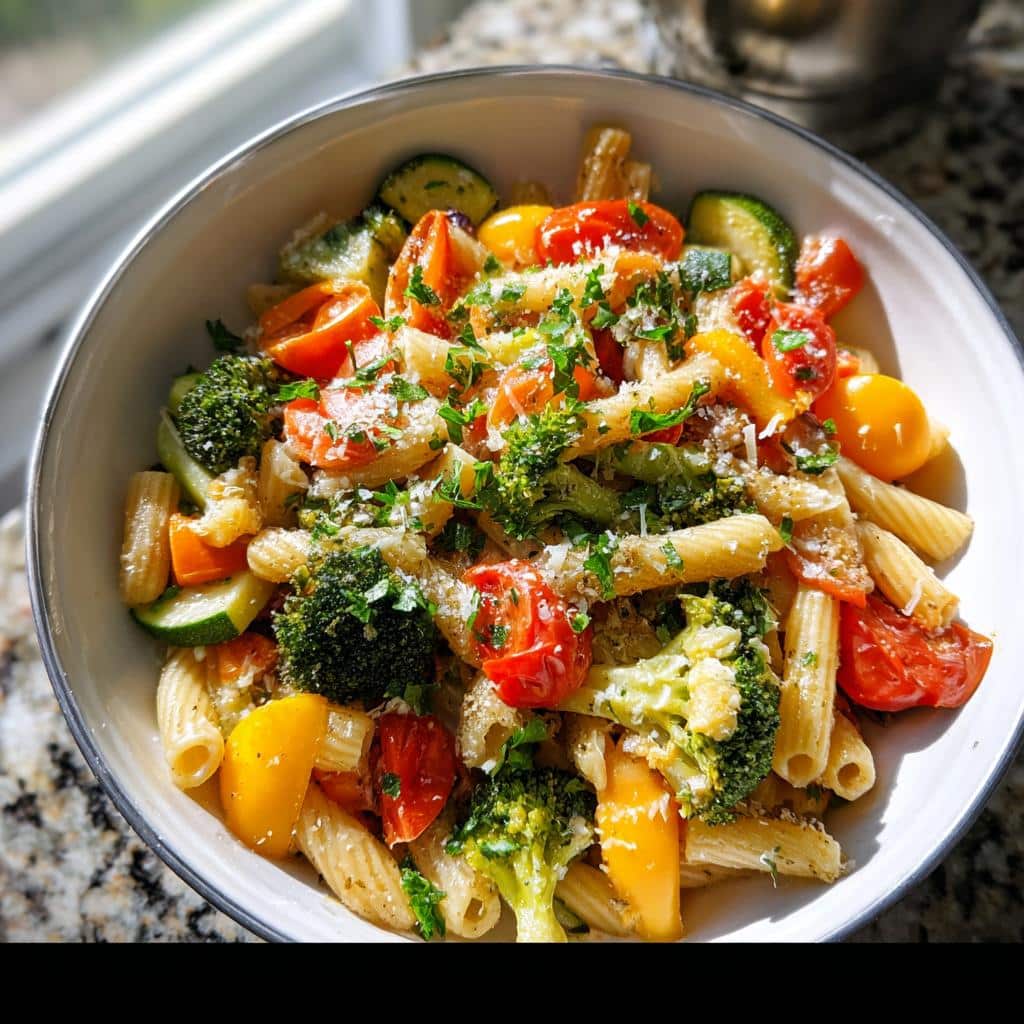
Low-Calorie Pasta Primavera
Ingredients
Equipment
Method
- Start boiling your pasta according to package directions. Cook the vegetables so they finish cooking at the same time as the pasta.
- Once the pasta is done, drain it.
- Heat olive oil in a deep 12-inch skillet over medium-high heat. Add the red onion and sauté for 2 minutes.
- Add the broccoli and bell peppers. Sauté for another 2 minutes. Add the zucchini and sauté for 2 to 3 minutes, or until the vegetables are nearly soft.
- Add the tomatoes last. The juice from the tomatoes, combined with the oil, will create a light sauce for the pasta. Add salt to your taste preference.
- Add the garlic and Italian seasoning. Sauté for 2 more minutes.
- Transfer the cooked vegetables into the empty pasta pot or a serving bowl. Add the drained pasta. Drizzle in the lemon juice and add a little more salt if needed. Toss everything together, adding small amounts of pasta water as needed to loosen the mixture.
- Top the dish with parmesan cheese and fresh parsley before serving.