
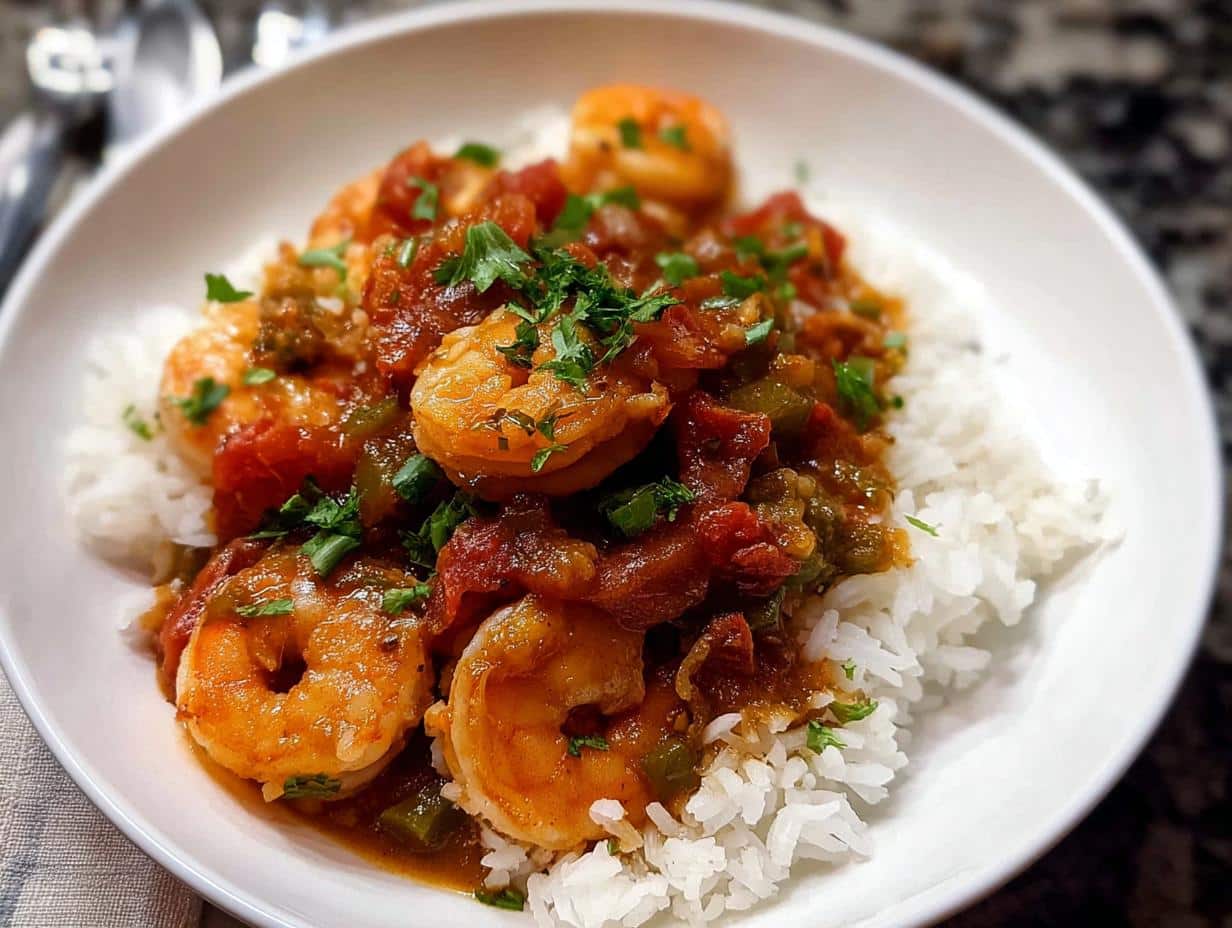
When I think about the deep, rich flavors of Louisiana, I don’t just think about parades or music; I think about a simmering pot on the stove that smells like history. This recipe for Shrimp Creole is more than just dinner; it’s a culinary journey rooted deeply in the heritage of New Orleans. As a Culinary Historian focused on Southern foodways, I’ve tested dozens of versions, but this one captures the essence—that bold, tomato-based profile that beautifully fuses French technique with African and American ingredients.
Forget those thin, watery sauces you sometimes find. This version, honed over years of research, gives you the richness and vibrancy that makes this dish a cornerstone of any true Southern table. I learned so much about the migration of flavors while writing for Top Chicken Eats, and that knowledge shines through here. Trust me, once you master this, you’ll be making it again and again. It’s comforting, exciting, and tastes like a celebration, even on a quiet Tuesday night.
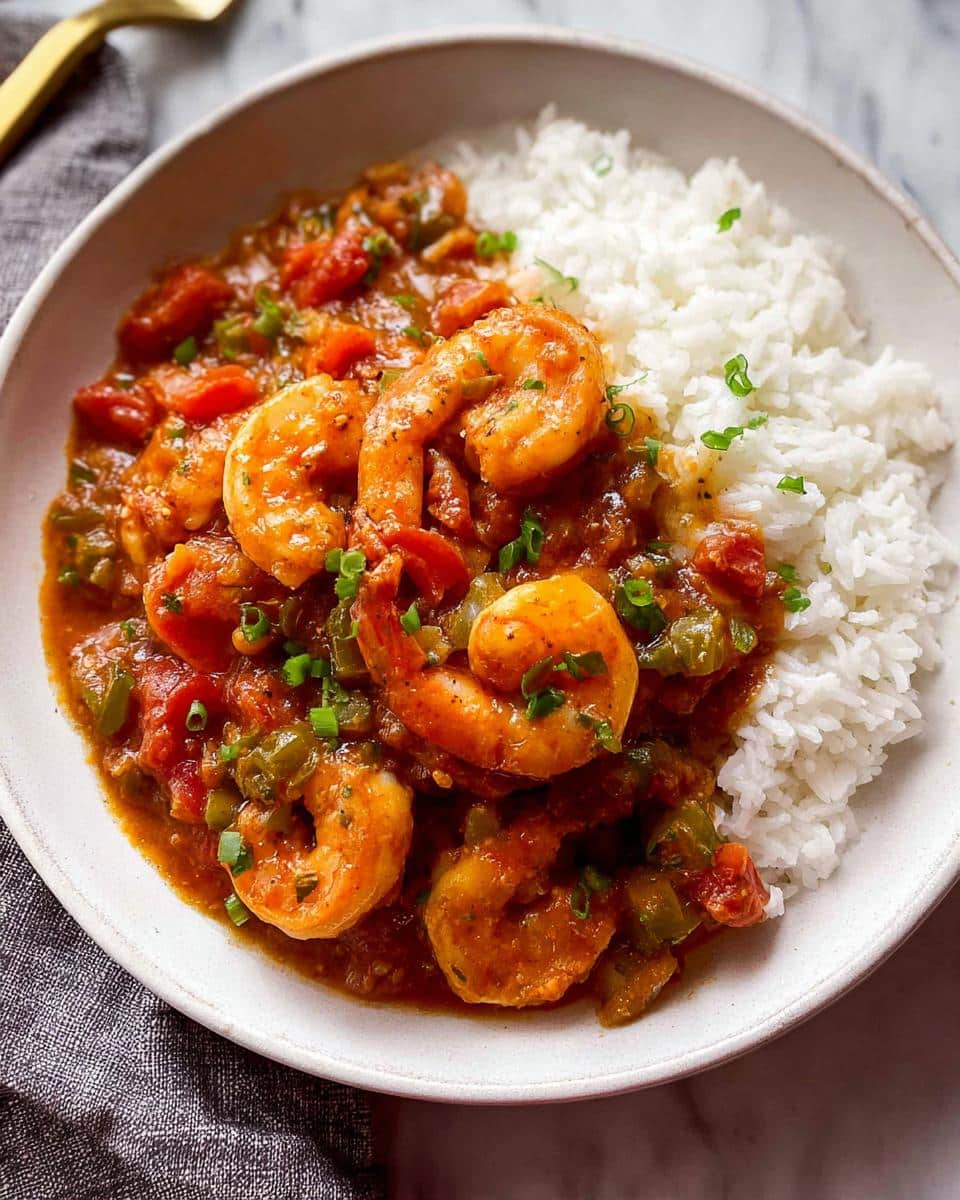
Why This Shrimp Creole Recipe Tells a Story
What I adore about this dish is that it’s a living, breathing example of Louisiana history right in a single pot. You see the French influence in the careful layering of the aromatics, but the rich, slow-simmered tomato base speaks volumes about the African culinary heritage woven into the South. Every spoonful is a testament to that beautiful fusion of cultures. It’s hearty enough for a big family meal, yet vibrant enough to feel special.
When you’re planning a big celebration, like a real party with beads and brass bands, you need dishes with backbone. This savory stew delivers! It never feels heavy or dated; it just tastes absolutely authentic. Making a proper Shrimp Creole honors that tradition.
Perfect for Your Mardi Gras Menu Ideas
If you’re planning your feasts leading up to Fat Tuesday, stop right there! This isn’t just a simple dinner; it’s centerpiece-worthy. Forget those dry chicken wings for a minute, because nobody forgets a rich Creole sauce. This dish fits perfectly into your broader Mardi Gras Menu Ideas. Whether you serve it as the main event or a hearty side, it brings the vibrant spirit of the season right to your table among all your other delightful Mardi Gras Treats and Mardi Gras Food & Desserts.
Gathering Ingredients for Classic Shrimp Creole
Okay, let’s talk supplies. For an authentic taste of New Orleans, you can’t just throw things in a pot willy-nilly. I know it feels like a lot of chopping, but this is where the hard work pays off! The measurements for the sauce components—especially the spice blend—are locked in for that perfect Creole balance. Get your best cutting board ready because we need some fine dicing.
Essential Components for the Sauce Base
This is the heart of the dish, folks. You’ll need four tablespoons of good quality butter to start things off right. For your trinity—onion, celery, and green bell pepper—make sure they are diced small. We want them to melt into the sauce, not stick out like colorful chunks! Don’t forget two cloves of garlic minced up nice and fine. For seasoning, we’re going with half a teaspoon each of salt, thyme, black pepper, and a good pinch of cayenne pepper for a slow, deep heat.
Next up, we’ll use one tablespoon of flour to thicken things up just slightly. If you have dry white wine handy, grab a third of a cup—it’s optional, but wow, it brightens the flavor profile! Then, bring in one 15 oz can of diced tomatoes (or fresh if you’re feeling ambitious), one cup of chicken stock, and two little bay leaves for depth. Finish that list off with just a few dashes of your favorite hot pepper sauce, like Tabasco, right to taste!
The Star: Selecting and Preparing the Shrimp
You need two pounds of large, uncooked shrimp for this! That usually nets you about 30 to 32 beauties, which is just the right ratio for this amount of sauce. Seriously, the quality here matters! I always splurge a little on the shrimp because if they taste fishy, the whole amazing Shrimp Creole experience falls flat. Make sure they are completely peeled and deveined before you toss them in at the very end. You only want them cooking for three or four minutes, max, so prep them first!
Serving Components
You absolutely need hot cooked rice to soak up all that glorious tomato sauce—plan on about six to eight cups cooked for six people. And for the final flourish, a sprinkle of chopped green onions on top makes it look like it came straight from a French Quarter kitchen. If you’re organizing a bigger spread or need some supporting acts, this flavorful stew goes wonderfully alongside lighter New Orleans Appetizers Finger Foods.
Step-by-Step Instructions for Perfect Shrimp Creole
Now we get to the fun part—turning that beautiful pile of chopped vegetables into something spectacular! This process is straightforward, but timing is everything, especially when dealing with that initial cook of the vegetables. We are essentially building a light, flavorful foundation here, the kind of layering that makes Creole cooking so complex and wonderful. You’re going to see why I emphasize sweating the veggies; we want them soft and sweet, not crispy undercooked pieces sitting in your sauce.
Building the Flavor Foundation (Sautéing Aromatics)
First things first: grab that large skillet and get that four tablespoons of butter melted over medium heat. Once it’s shimmering, toss in your diced onion, celery, green bell pepper, and minced garlic. Now, this is important—you need to sauté them gently! We’re looking for them to sweat down and get lightly browned, maybe softened translucent. Watch that garlic closely, though! If you burn the garlic, you’ve essentially scorched the foundation, and you’ll have to start over. Keep it moving until everything looks happy and fragrant.
Creating the Thickener and Seasoning
While those veggies are softening, get your small bowl ready. You want to whisk together that half-teaspoon of thyme, salt, black pepper, cayenne pepper, and the one tablespoon of flour. Once you do that, stir that spice and flour mixture right into your simmering vegetables. Keep stirring constantly for about two full minutes. This step is key because you’re cooking off that raw, dusty taste from the flour. It gets incorporated perfectly into the butter mixture, ready to give our sauce some body.
Simmering the Tomato Base
If you’re using that optional dry white wine, pour it in now and let it bubble away for a minute—that’s called deglazing, and it scrapes up all those wonderful browned bits from the bottom! Next, pour in your chicken stock, dump in the can of diced tomatoes (juice and all!), and drop in those two bay leaves. Add your dash or two of hot sauce here, but remember, you can always add more later. Turn the heat down low, slap a lid on it slightly askew, and let this magic simmer for 20 to 25 minutes. This time is non-negotiable; this is where the depth of the Shrimp Creole sauce develops its true character!
Adding the Shrimp and Finishing
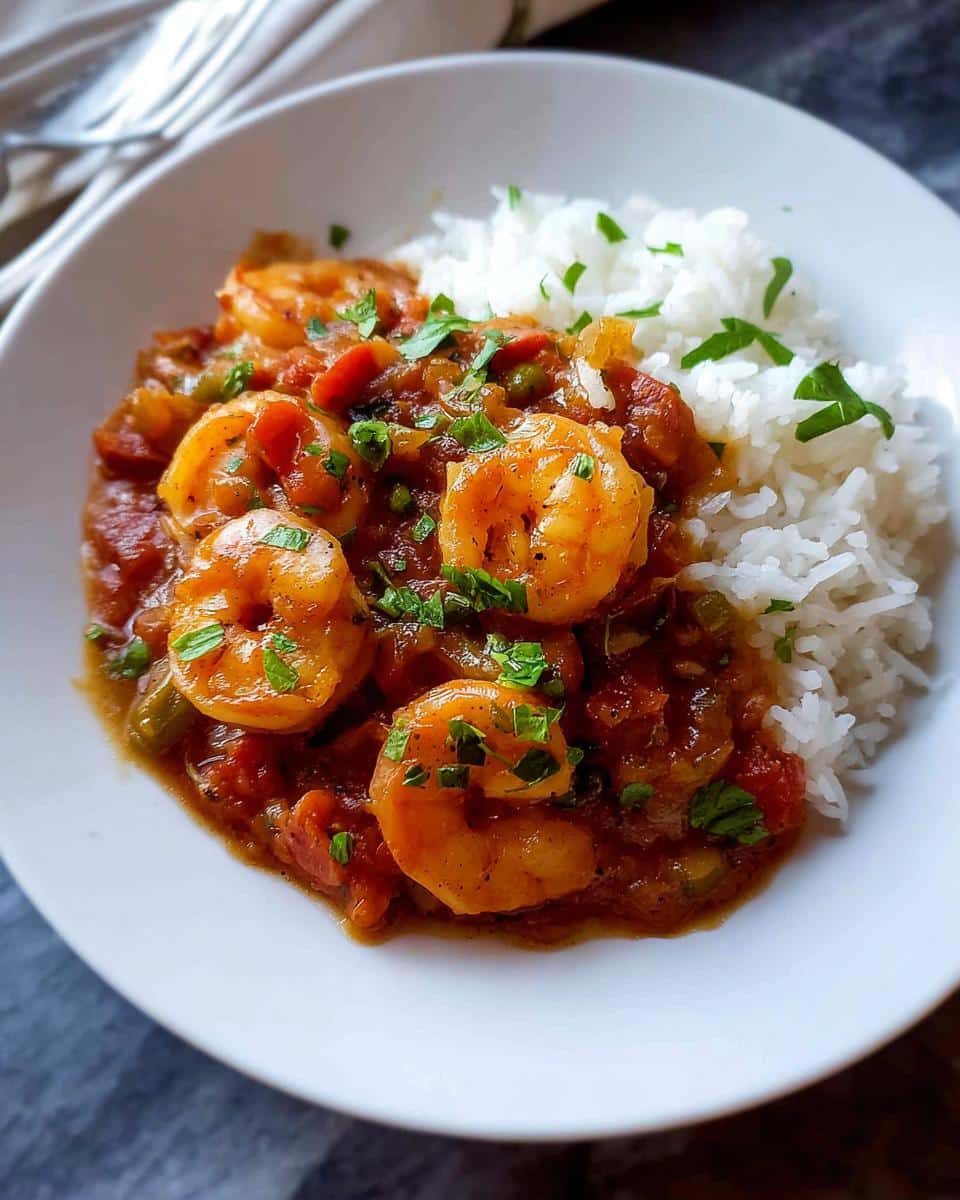
After that long simmer, take a moment to fish out and discard those bay leaves—we don’t want anyone biting into those! Now, raise the heat just slightly, because the shrimp cook fast. Add all two pounds of your prepared shrimp to the simmering sauce. You only need about three to four minutes total! Seriously, as soon as they curl up and turn that beautiful opaque pink, they are done. Overcooked shrimp get rubbery, and we worked too hard for rubbery shrimp! Once they’re pink, turn off the heat immediately. Ladle that glorious Creole sauce and shrimp generously over mounds of hot rice. If you want to easily find more inspiration for weeknight meals, check out some easy recipes for kids—though I doubt you’ll have leftovers of this!
Tips for Success Making Authentic Shrimp Creole
As a culinary historian, I always stress that authenticity comes from respecting the ingredients. For this Shrimp Creole, my biggest tip is regarding your tomatoes. While canned diced tomatoes save time, if you happen to have ripe, peeled fresh tomatoes, use them! The flavor is incomparable, though the texture will be thinner, so maybe simmer that sauce for five minutes longer.
Don’t be afraid to boost the flavor profile either, especially if you’re making this for a big potluck! The notes mentioned adding bacon or sausage—go for it! If you sauté some andouille sausage underneath the vegetables, the rendered fat adds a massive smoky base that complements the tomato beautifully. I’ve also successfully swapped in crawfish tails when shrimp prices were sky-high. The key is keeping that aromatic foundation strong.
Ingredient Quality and Substitutions
Remember how I mentioned using canned tomatoes versus fresh? Canned are totally reliable, and I often default to them, but the difference is subtle. If you use them, just make sure you drain off some of that excess liquid before adding the chicken stock, otherwise, you might thin out your roux too much! My favorite variation, which really leans into that Southwestern Louisiana vibe, is dropping half a pound of smoked sausage in with the onions. It’s not strictly traditional Creole, but it makes for a richer dish when you’re looking for hearty easy savory recipe ideas for a crowd.
Make-Ahead and Storage for Your Shrimp Creole Sauce
Here’s one of my very favorite tricks, and it’s how I handle big family dinners, especially around Mardi Gras time. The sauce for Shrimp Creole is one of those magical things that actually tastes *better* the next day after the spices have really had time to marry everything together. But cooking shrimp totally ruins that make-ahead potential, right? Wrong!
You must, and I mean *must*, prepare the sauce completely—all the veggies, the tomatoes, the stock, the simmering—but leave the shrimp out. Cook the sauce completely, let it cool, and then refrigerate it. It holds beautifully for about one to two days without the shrimp in it.
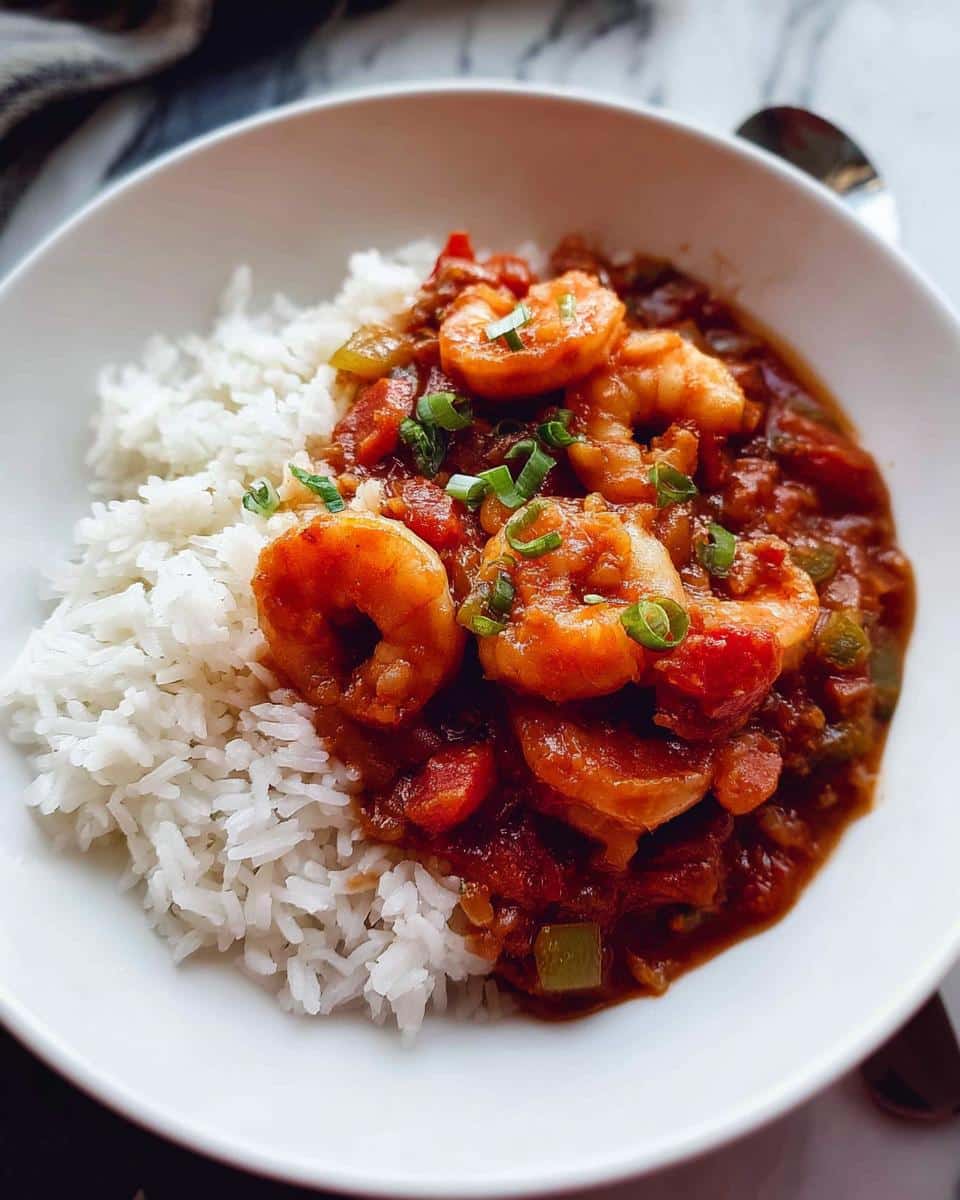
When you’re ready to serve, just pull the sauce out, bring it back up to a gentle simmer on the stove, and *then* add your fresh or thawed shrimp to cook for those last three or four minutes. It’s a total lifesaver when you’re juggling sides and trying to keep track of all the other easy crockpot dinner ideas!
And guess what? This sauce freezes like a dream, too. If you make a double batch, you can freeze the sauce component for two or even three months. Thaw it overnight in the fridge, bring it to a simmer, throw in the shrimp, and bam! Instant, authentic Creole dinner on a busy night. It saves so much time later on.
Serving Suggestions to Complete Your Meal
Look, a rich, savory main like this deserves the right supporting cast on your plate. While the recipe calls for serving this over fluffy, hot rice—and honestly, that’s the classic, perfect way to go—we shouldn’t feel limited by tradition, right? If you’re hosting a big dinner, or maybe you just ran out of rice but have a big bag of potatoes, you have options! Those delicious tomato juices beg to be soaked up by something starchy.
If you’re not feeling rice, don’t sweat it! This bold sauce is fantastic spooned directly over creamy mashed potatoes. It turns the whole thing into a deeper, almost stew-like comfort meal. And yes, I have absolutely served it over al dente pasta when I was feeling a little Italian that day; it still tastes wonderful, just slightly different in heritage, you know?
Pairing with Other Mardi Gras Snacks
Since this Creole dish is so incredibly flavorful and rich, you want your appetizers to be light and bright, or maybe something that plays into the festive vibe without competing with the main event. If you’re setting out a spread for a potluck, think about balancing that heavy tomato base with some lighter fare. A colorful Mardi Gras Treats platter or some crisp little vegetable dips contrast beautifully.
I always make a big batch of something easy and handheld, like mini crab cakes or maybe some baked oyster dips, if I’m serving this. Having a few easy Mardi Gras Snacks on the side ensures everyone gets to graze while you finish the main course. Those New Orleans-style bites, like little bits of spicy cheese straws or shrimp dip, pair wonderfully with the spices already in the main course without overwhelming the palate.
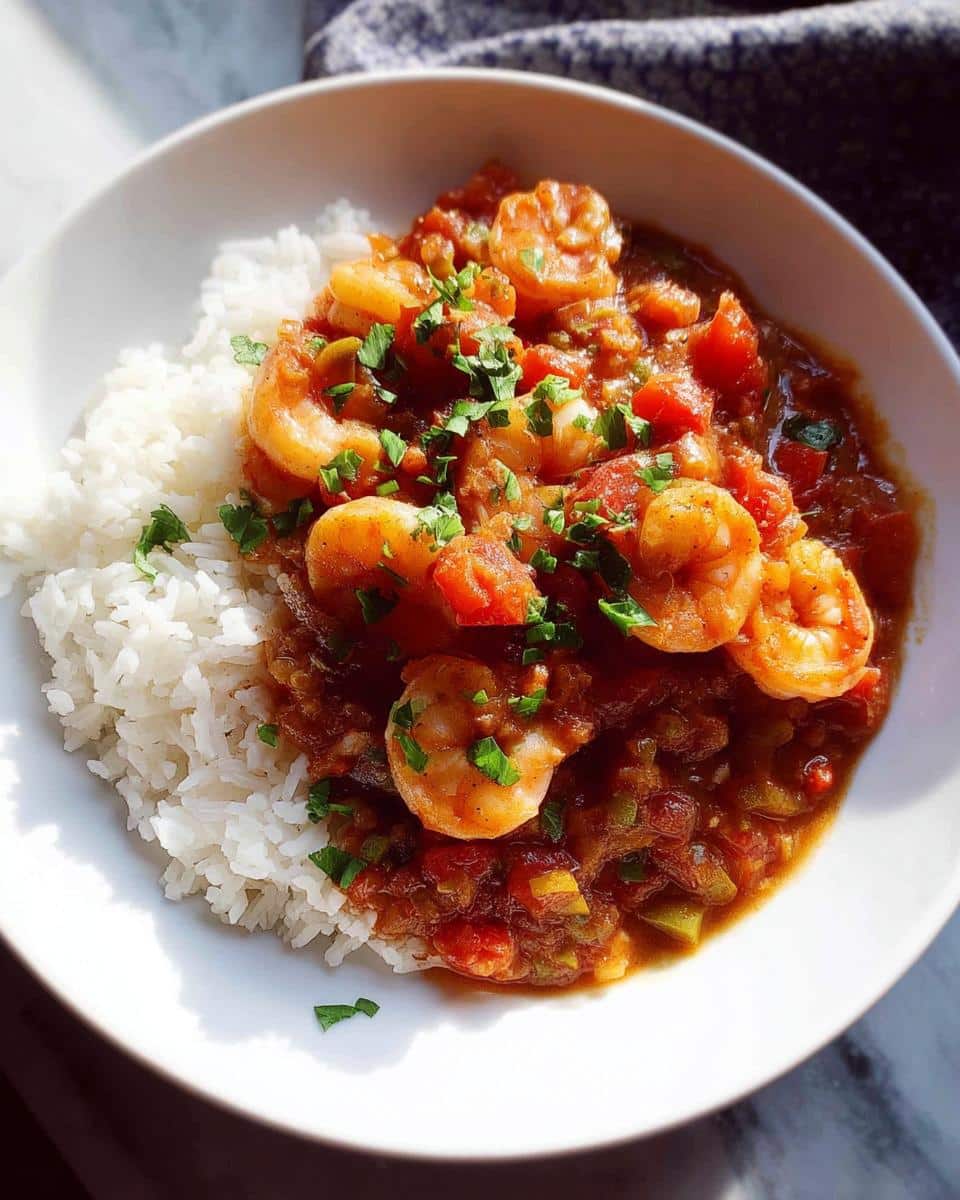
Frequently Asked Questions About Shrimp Creole
I get asked about this dish all the time, usually right before someone hosts their big annual celebration or is trying to nail down their easy snacks small bites spread. Here are a few things folks wonder about when cooking this classic Louisiana dish at home!
What is the difference between Gumbo and Shrimp Creole?
Oh, this is the classic New Orleans culinary question! People get them mixed up because they both feature rich sauces and seafood, but the base is totally different. Gumbo always starts with a dark roux—that means cooking flour and fat together until it’s deep brown—and often includes okra or filé powder for thickening. Shrimp Creole, on the other hand, is almost always built on a tomato base. We use the flour to only lightly thicken our tomato sauce, which gives it that tangy, brighter flavor profile compared to the deep, earthy flavor of a traditional Gumbo.
Can I make this a less spicy Shrimp Creole recipe?
Absolutely, you can dial back the heat! The flavor backbone of this dish comes from the ‘trinity’—the onion, celery, and bell pepper—so that rich, savory flavor is still there even if you skip the fire. To make it milder, just cut the cayenne pepper in half and don’t add any hot sauce until you taste it at the end. A lot of folks use the hot sauce as a final, adjustable kick, so feel free to leave it off the main pot and let everyone put a dash on their own plate. It’s still going to be delicious!
What are good Mardi Gras Treats to serve after this main course?
After such a savory and robust main course, you definitely need a sweet finish! If you’re looking for something visually stunning that screams celebration, you have to look into some traditional Mardi Gras Cake Ideas—especially King Cake, of course. But if you need something simpler to balance the heaviness of the Creole, stick to lighter, smaller Mardi Gras Treats like pralines or maybe some sugared pecans. You want something festive but not overly filling after such a hearty shrimp dish!
Estimated Nutritional Profile for Shrimp Creole
Now, I always tell people that when you’re cooking from scratch and using real butter and fresh shrimp, precise nutritional counts are tricky business! These numbers are my best educated guess based on the 6 servings this recipe yields, but remember, if you use less butter or skip the optional wine, your numbers will change. This is just a helpful guideline, folks, not a guarantee carved in stone!
If you are counting macros or watching your intake closely, you can always check out the full disclaimer on ingredient sourcing right here. But generally speaking, this is a high-protein meal thanks to all that lovely shrimp.
- Makes: 6 servings
- Estimated Calories: Around 380-420 per serving (this jumps up significantly if you add lots of rice!)
- Estimated Fat: Roughly 14 grams (most of this comes from the four tablespoons of butter we use to build the base)
- Estimated Protein: High, around 35 grams, driven completely by the shrimp.
- Estimated Carbohydrates: Approximately 28 grams, mostly from the vegetables and the small amount of flour thickener.
- Sodium: This is the one to watch! It depends heavily on the stock and how much salt you add, so definitely taste before you load it up!
This dish is naturally lower in sugar than a lot of modern meals because it relies on the tomatoes for sweetness, not added sugars. It’s a wonderful choice when you want bold flavor without loading up on empty calories. Just be mindful of what you serve it over—rice adds a good chunk of carbs, which is totally fine, but just something to keep in mind!
Share Your Experience with This Classic Shrimp Creole
Now that you’ve brought this piece of Louisiana history into your own kitchen, I truly want to hear about it! Cooking is such a communal thing, and sharing how these old recipes work in modern life is the best part of my job as a historian.
Did you try my big secret and make the sauce ahead of time? Did you swap in some smoked sausage like I suggested? Or maybe you paired it with some fun New Orleans appetizers? Let me know!
Please take a moment to leave a rating for this Shrimp Creole recipe right below. Five stars mean the world to me, but honest feedback helps everyone cook better. And if you snap a picture of your beautiful, steaming bowl served over rice, tag me on social media! Seeing your beautiful results truly keeps the tradition alive. I can’t wait to read your stories and see how you made this classic your own!
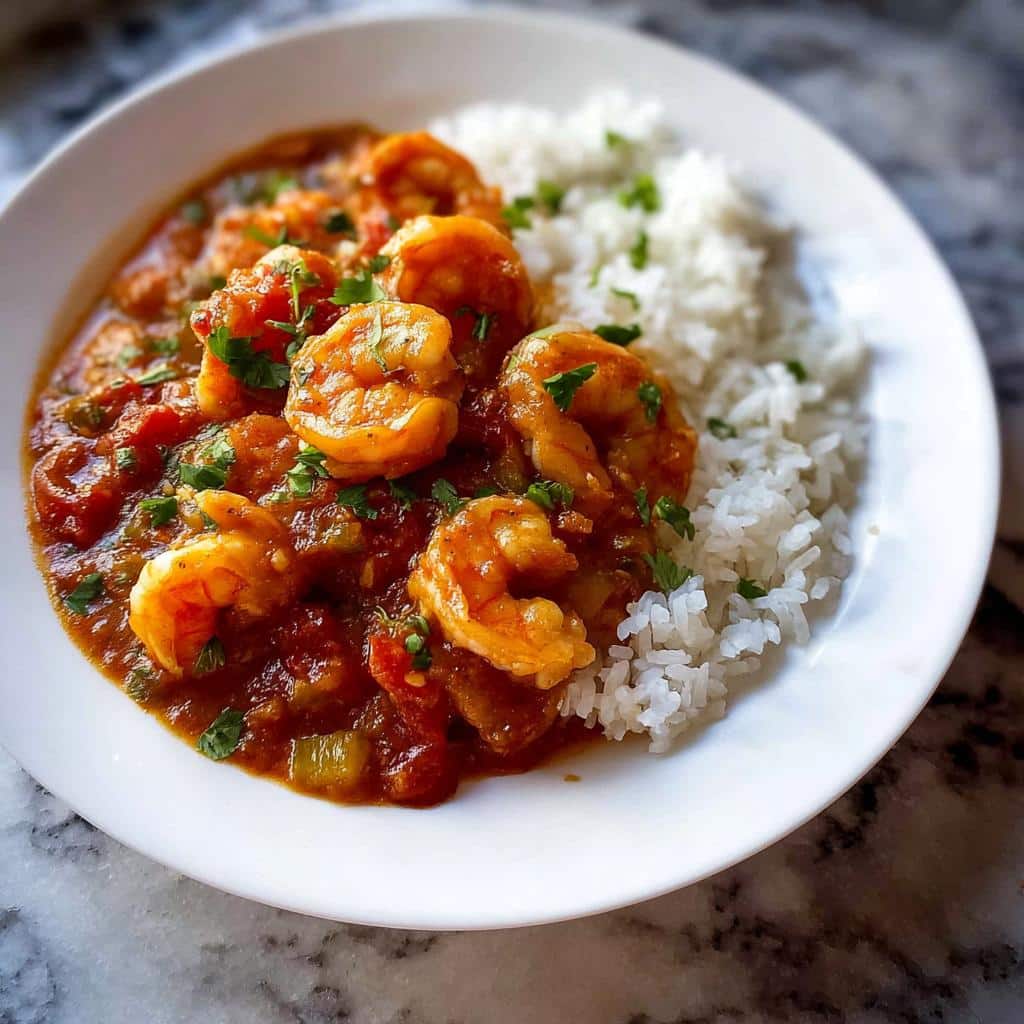
Shrimp Creole
Ingredients
Equipment
Method
- Add butter to a large skillet over medium heat. Add onion, celery, bell pepper, and garlic and sauté until veggies are lightly browned.
- In a small bowl whisk together the thyme, salt, pepper, cayenne and flour. Stir into onion mixture and cook for 2 minutes.
- Deglaze the pan with wine (if using) and then add chicken stock, tomatoes, bay leaves and hot sauce. Reduce heat and simmer for 20-25 minutes, stirring occasionally.
- Remove bay leaves. Add shrimp and cook until pink, just 3-4 minutes.
- Serve over hot cooked rice and garnish with green onion.