
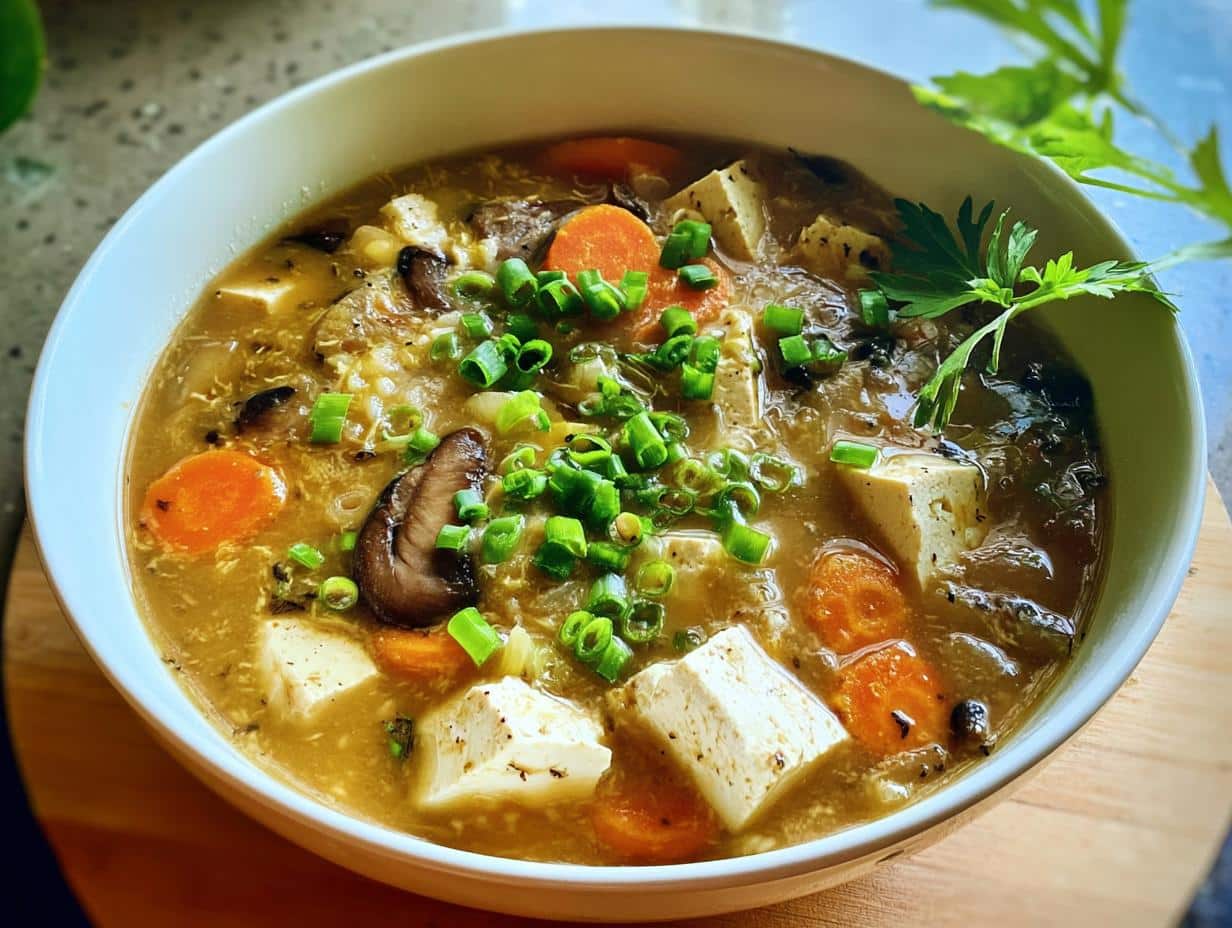
If you’re tired of heavy dinners but still craving serious flavor and warmth, I totally get it. Finding that perfect spot between ‘light’ and ‘satisfying’ can be tough, especially on a weeknight. That’s why I had to share this amazing Miso Ginger Vegetable Soup recipe with you!
This soup is my go-to because it comes together in about 30 minutes, making it ideal for those crazy busy evenings when you still want something nourishing. Plus, thanks to the miso, it’s fantastic for your gut health, too! It truly shows how my culinary style, rooted in my grandmother’s soulful cooking, can be both comforting and incredibly fresh. Trust me, this will become your new favorite light dinner option.
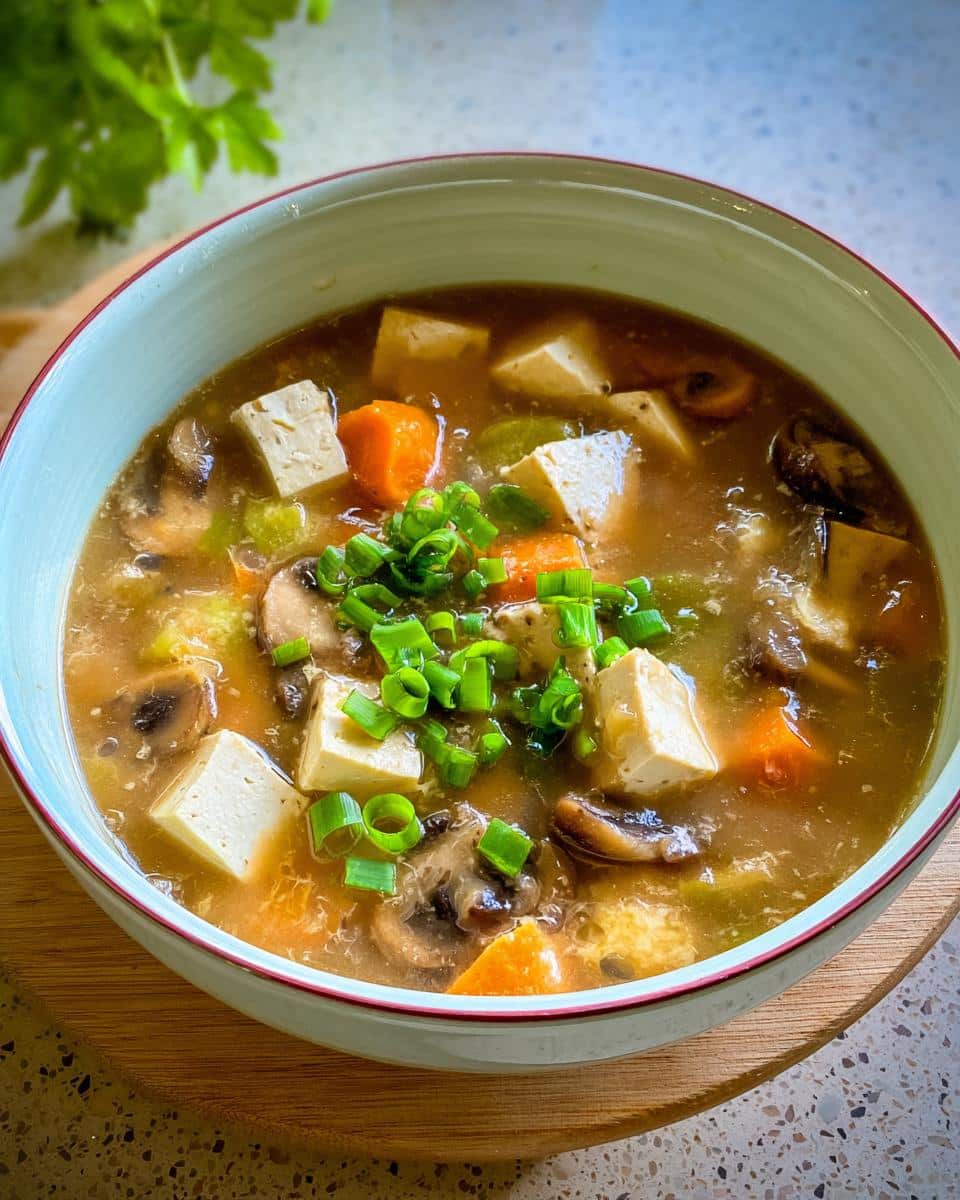
Why This Miso Ginger Vegetable Soup Recipe Works (Why You’ll Love This Recipe)
Isn’t it great when a recipe is both incredibly good for you and super fast? That’s what we have here! This soup checks all the boxes for those of us trying to eat clean without spending forever over the stove. It’s surprisingly flavorful for how simple the ingredient list is.
- It’s naturally low in calories, so it’s perfect when you want a light dinner that won’t weigh you down.
- It heats up beautifully, making it one of the best meal prep soups you can make on a Sunday night!
- The vegetables pack a serious nutritional punch, keeping things hearty even without heavy starches.
Flavor and Health Boost from Miso and Ginger
Every spoonful explodes with that deep, savory flavor—hello, umami! That comes right from the miso paste. And ginger? It warms you right up and has those wonderful anti-inflammatory perks. It’s like a cozy hug in a bowl that actually helps your digestion.
Perfect for Light Dinners and Meal Prep Soups
Because we skip the oil and load it up with veggies and tofu, this recipe delivers serious protein without stacking up the calories. I often make a huge batch just so I have ready-made low calorie meals waiting for me all week. It’s minimal effort for maximum healthy payoff!
Essential Ingredients for Your Miso Ginger Vegetable Soup
Okay, gathering your components for this soup is half the fun! Since we’re making this a super wholesome, oil-free dish, the quality of your vegetables really shines through. Remember, this is the heart of our amazing vegetable soup!
A quick word from me: when you’re grabbing miso, try to find one that hasn’t been pasteurized immediately, if you can. The live cultures are what make it so wonderful for your gut! Look for organic light miso for the mildest, most authentic flavor here.
Vegetables and Aromatics for Miso Ginger Vegetable Soup
These fresh ingredients build the backbone of the flavor profile. Don’t skimp on grating that ginger really finely!
- One very large onion, chopped finely (you should get about 2 cups).
- One jalapeno, finely chopped—don’t worry, it just adds a little background warmth!
- One cup of celery, finely chopped.
- One cup of carrot, chopped nicely.
- 8 oz of mushrooms, chopped up.
- Two tablespoons of fresh ginger, finely grated. That smell alone is divine!
Soup Base and Protein Components
This is where we get our satisfying texture and that savory depth. The tofu prep is key here, so don’t skip draining it!
- One half cup of light organic miso paste.
- One container of organic firm tofu. You absolutely must press the excess water out first using a clean dishcloth—it helps the tofu cubes soak up all that lovely broth later.
- Three cups of vegetable broth or water. We use broth for richness, but water works just fine if you’re keeping sodium low.
- Himalayan salt, just to taste at the very end.
And for a final flourish, just grab some fresh chives and cilantro to chop up right before serving!
Equipment Needed for Making Miso Ginger Vegetable Soup
You know me, I love recipes that use what you already have! We’re keeping this super simple equipment-wise. You don’t need a fancy specialty appliance for this flavor bomb, which I think is fabulous for busy weeknights.
When you gather your tools, you’ll need to decide how you’re tackling the cooking process. Since we skip oil sautéing sometimes, a good non-stick surface helps, but honestly, if you use that little bit of broth while sautéing, anything works!
Here’s the short list of what you’ll need:
- Instant Pot OR Large Pan: Pick your poison! Whether you go for the speed of the pressure cooker or the slow, steady love of the stovetop pan, both handle this recipe beautifully.
- A Dishcloth: This might sound strange, but trust me, you need this for pressing the water out of the tofu. It sounds simple, but getting that moisture out ensures your tofu cubes actually absorb the gorgeous flavor of the broth instead of just tasting like water.
Step-by-Step Instructions for Miso Ginger Vegetable Soup
Alright, let’s get cooking! The beauty of this Miso Ginger Vegetable Soup is that it takes just 15 minutes of prep and about 10 minutes of actual cooking time, plus a few extra minutes for the miso mixing, bringing our total time to under 30 minutes! Honestly, chopping up all those veggies is the longest part, but it’s worth it because we are doing something really important here: an oil-free sauté. This really helps keep those calories low!
Preparing the Tofu and Sautéing Aromatics
First things first, grab that tofu. You really need to drain and press all the water out using that dishcloth we talked about. Once it’s fairly dry, just cut it into little cubes—they’ll soak up flavor so much better that way.
Now for the heat! Turn your Instant Pot or a large pan to medium. Toss in your finely chopped onions and that little kick of jalapeno right into the pot. Since we aren’t using any oil to keep things light, you need to watch these closely. If they start sticking, just splash in a tablespoon of broth or water. That little bit of liquid prevents burning while you stir them until they start to caramelize nicely. That caramelization is where the deep flavor starts!
Cooking the Vegetables and Building the Base
Once the onions look happy, add in your celery, followed by the carrots and mushrooms. Keep stirring for about five more minutes. Remember, we are trying to pull out all the natural sweetness from these veggies, so don’t rush this step!
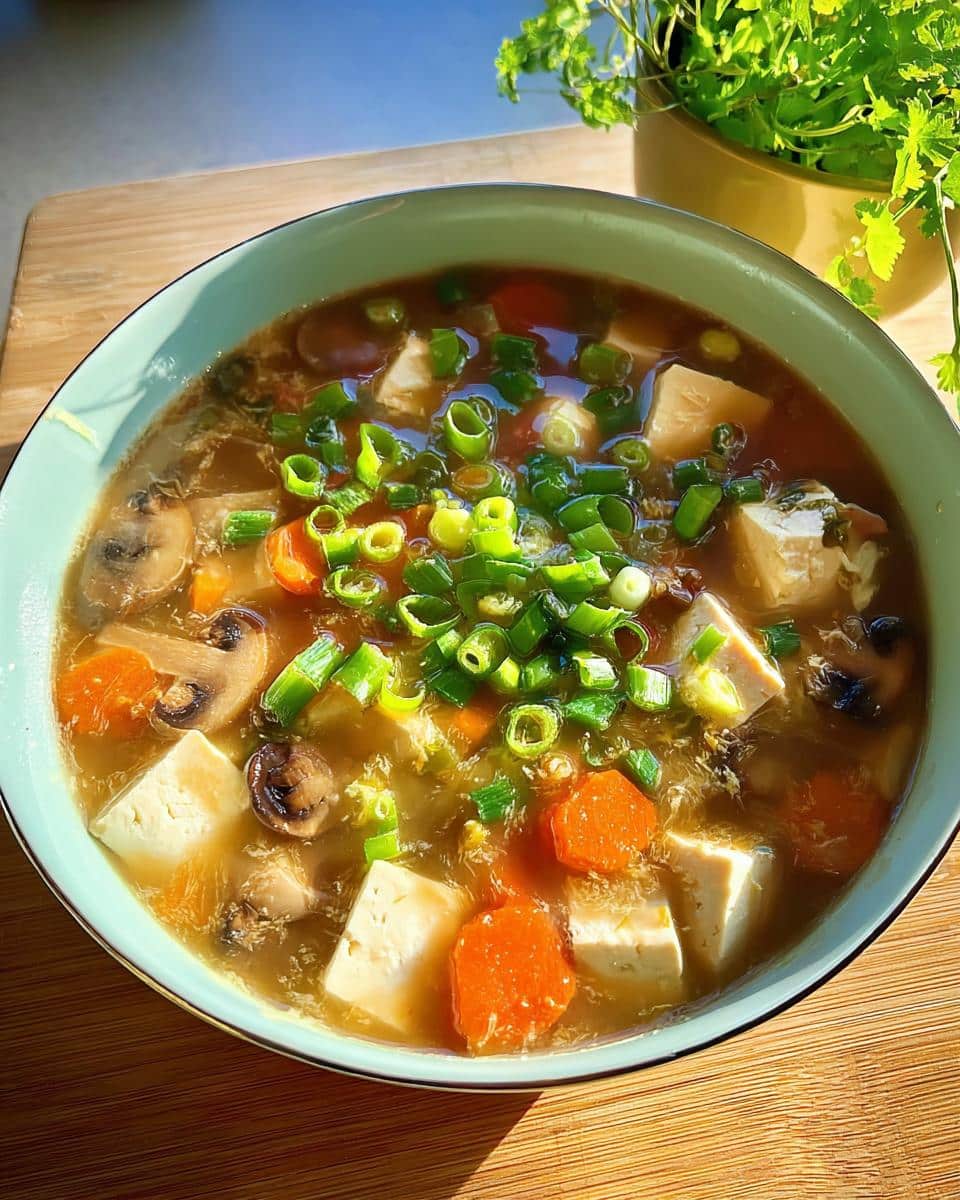
Here’s an important note: don’t add any salt yet! The miso paste we use later is quite salty, so we wait until the end to adjust everything. Once everything is softened, pour in your vegetable broth or water. If you’re using the Instant Pot, you’ll pressure cook this for just 2 minutes. If you’re sticking to the stovetop, just let it simmer gently for about 10 minutes until the carrots are tender.
Mixing the Miso Paste and Finishing the Miso Ginger Vegetable Soup
While that base is cooking, let’s handle the magic ingredients! In a separate cup, mix your light miso and the finely grated ginger right into a little bit of cool broth—or you can use some warm liquid from the soup base later. You *must* mix the miso separately like this first! If you just dump the paste into hot soup, it clumps up, and nobody likes clumpy miso. Plus, doing it this way protects those helpful probiotics.
When the soup finishes cooking (and the Instant Pot self-releases!), gently stir in that miso-ginger mixture and your prepped tofu cubes. You just need to simmer this for a couple of minutes to let the tofu warm through. Give it a taste now, and add Himalayan salt if you think it needs a tiny boost. Toss those gorgeous chives and cilantro on top, and you’re ready to enjoy your quick, healthy meal!
Tips for Success When Making Your Miso Ginger Vegetable Soup
You know, getting this healthy miso soup just right isn’t hard, but a few little tricks I picked up over the years really elevate it from good to absolutely fantastic. Lilya here—I want you to nail this because it’s so simple!
My biggest piece of advice centers around flavor building and protecting that precious miso. Stick with these three things, and this will become your favorite whenever you need easy, satisfying savory recipe.
- Don’t Skip the Dry Sauté: When I say sauté the onions and jalapeno without oil, you might be tempted to grab the olive oil bottle. Don’t! Use that tiny splash of broth or water instead. Sweating the vegetables down with a little liquid instead of fat draws out their real sweetness and concentrates the flavor so much better for this light dish.
- Grate That Ginger Freshly: Seriously, ditch the dried powder for this recipe. Fresh ginger has this vibrant, sharp zing that dried ginger just can’t touch. It’s non-negotiable for that signature warmth this soup needs. Take the extra minute to grate it right before it goes into the mixing cup.
- Temper Your Miso Like It’s Gold: This is probably the most important tip for any miso soup! You learned we mix it separately, right? But here’s the extra bit: make sure that liquid you mix it into isn’t boiling hot. If the water is too hot, it kills the live probiotic cultures that make miso so wonderful for your gut. Use warm broth or let your hot soup broth cool for five minutes before mixing in the paste.
- Adjust Salt Last: I know I mentioned it in the instructions, but it bears repeating! Miso pastes vary wildly in sodium content. If you salt early, you risk ending up with a soup that’s way too sharp. Taste it after the miso goes in, and only then add your Himalayan salt if needed.
Ingredient Notes and Substitutions for Vegetable Soups
One of the things I truly love about this Miso Ginger Vegetable Soup is how unbelievably flexible it is. It’s built around great foundational flavors—miso, ginger, and those sautéed veggies—but that doesn’t mean you have to stick to exactly what I listed! This recipe is perfect for cleaning out the crisper drawer, which I know all of us busy home cooks appreciate.
If you’re trying to stick to a general template, just remember the ratios are more important than the specific vegetable! Feel free to try out some fun swaps and make this recipe your own. Lilya encourages it!
Swapping Out the Core Vegetables
When the seasons change, so should your soup! The celery, onion, and carrots are standard, but you can easily swap them if you have something better on hand. For instance, in the fall, I love replacing the carrots with diced butternut squash or sweet potato. They sweeten up beautifully when sautéed without liquid!
If you don’t have high-protein tofu on hand, no problem! You can still keep this as a fantastic low calorie meal by swapping it out for other additions. Things like edamame (add them in at the end with the miso) or even chickpeas work wonderfully well here for a plant-based protein boost. If you aren’t strictly plant-based, shredded chicken breast is excellent stirred in at the very end, too.
Miso Quality and Alternatives
We talked about fresh ginger, and we have to talk about miso again! If you grab a dark red miso instead of the light one I used, your soup will be much more intensely flavored—it’s bolder and saltier, so you’ll definitely need less of it. If you are looking for an easy gluten-free recipe, miso paste is usually fine, but always double-check your label just to be safe!
If you absolutely cannot find miso paste (though I hope you can find some!), you could try blending nutritional yeast with a tiny splash of soy sauce or tamari for that deep savory note, but honestly, it won’t have the same probiotic benefits that make this soup so special for gut health.
Serving Suggestions for Your Miso Ginger Vegetable Soup
Now that you have this steaming, fragrant bowl of Miso Ginger Vegetable Soup ready, what do you serve it with? Since this recipe is designed to be a lighter choice—a great option for those times you need a satisfying but guilt-free bite—we want accompaniments that keep things fresh and don’t weigh down the experience. I want you to love this as a light dinner!
Honestly, this soup is so good, it can absolutely stand on its own. But if you’re like me and feel like you need a little something extra to make it a complete meal, here are a couple of my favorite simple pairings. These are low-fuss additions that match the Asian-inspired flavors perfectly!
Keeping it Simple: Rice or Grains
If you need just a touch more substance, you don’t need a heavy side dish. Serving this soup over a small scoop of rice is fantastic. Brown rice adds a nice chewiness, but honestly, plain white rice is perfect for soaking up all that savory broth left at the bottom of your bowl. You can quickly make a batch while the soup is simmering so everything finishes at the same time.
For those of you leaning into more soup recipes, don’t forget about noodles! Very thin rice vermicelli noodles are amazing thrown right into the bowl just before serving. They cook almost instantly in the heat of the soup.
Adding a Fresh, Crisp Contrast
Because the soup is warm and savory, something crisp and cool on the side is just wonderful for contrast. I often grab a small bowl of lightly dressed greens. A light dressing made with a drizzle of sesame oil and rice vinegar does the trick. It keeps the entire meal feeling clean and bright.
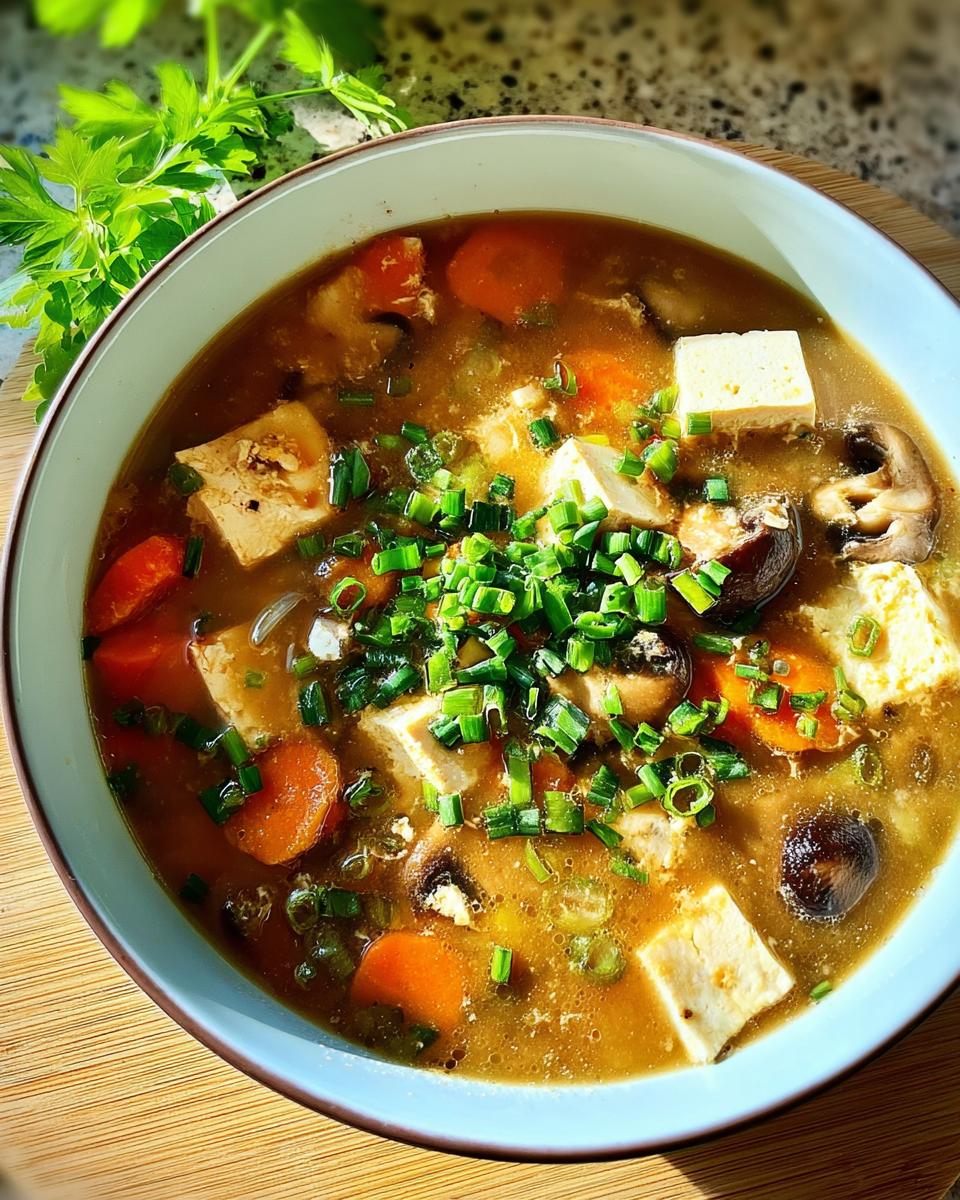
It’s also a great time to load up on extra freshness! Make sure you use those garnishes we talked about. I always sprinkle mine generously with freshly chopped chives and cilantro right before I carry the bowl to the table. Those final toppings aren’t just pretty; they add bursts of freshness that really wake up the flavor of the miso and ginger base.
Storage and Reheating Instructions for Meal Prep Soups
One reason I adore this recipe so much is that it’s absolutely perfect for making ahead! If you’re focusing on meal prep soups to keep your weeks running smooth, you’re in luck because this tastes even better on Day Two. The flavors really marry overnight!
However, because miso is a living ingredient—full of those good-for-you probiotics—we have to be a little careful when we try to revive it. We don’t want to scorch those beneficial bacteria away! It’s totally fine for your low calorie meals to hang out in the fridge for a few days, but handle the reheating gently.
How Long Does Miso Ginger Vegetable Soup Last?
In an airtight container in the main part of your refrigerator—not shoved in the door—this soup stays wonderfully fresh for about four full days. After that, the vegetables start to lose some of their great texture, though it would still be perfectly safe to eat for a couple more days if you don’t mind them being super soft.
When you’re storing it, don’t worry about the tofu or the veggies separating a bit; that’s normal. Just give it a good stir when you take it out!
Best Way to Reheat Miso Soup Gently
Here’s the golden rule for reheating anything made with miso paste: low and slow is the way to go. You want to warm it through, not bring it to a rolling boil. Boiling the soup aggressively after the miso is added will make the broth murky and destroys those gut-health benefits we worked so hard to keep!
If you’re reheating a single serving, the microwave on medium power for about 90 seconds, stirring halfway through, works beautifully. If you’re warming up a big pot on the stovetop, just use low to medium-low heat. Stir it frequently until it’s steaming hot all the way through. If it thickens up too much in the fridge (which it might, because of all those tasty veggies!), just splash in an extra tablespoon or two of water or broth while you heat it back up to get that perfect consistency back. You can find more great tips for easy weight loss recipes on my site!
Frequently Asked Questions About Miso Ginger Vegetable Soup
I always get so many thoughtful questions when people start making this Miso Ginger Vegetable Soup for the first time. It’s such a flexible recipe, so I figured I’d answer a few things I hear asked most often. Lilya is here to help make sure your soup turns out perfect every single time!
Can I make this soup completely vegan?
That’s a great question! Yes, absolutely, this recipe is inherently vegan, which makes it perfect for so many people! Since we are using vegetable broth (or water) and firm tofu for our protein, there are no animal products here. The only ingredient you need to keep an eye on is the miso paste itself. Most miso is naturally just rice, soybeans, and salt, but always double-check the label because some specialty varieties can sometimes have fish elements added. As long as you pick standard organic miso, you’re golden for excellent high protein vegan soups.
How do I ensure this stays one of my best low calorie meals?
This is one of the best parts—this soup is naturally one of the best low calorie meals you can make! The reason is simple: we’re skipping oil entirely during the sauté process. Instead, we use a little water or broth to sweat the onions and vegetables. As long as you stick to that technique and don’t add high-fat extras like coconut cream or heavy noodles, you’ll keep the calorie count down while still getting tons of nutritious vegetables.
What about using dried ground ginger instead of fresh?
Oh, please don’t swap the fresh here! I know sometimes we get lazy or forget to run to the store, but for this specific soup, fresh ginger is a total game-changer. Dried ginger just tastes dusty and flat next to the vibrant, spicy zing you get from grating it yourself. The fresh ginger is crucial for that warming sensation that makes this soup so comforting. Stick to the fresh root, trust me on this one!
Is this recipe easy to adapt to make even higher protein soups?
It’s already pretty high protein thanks to the tofu, but if you want to boost it even further for serious staying power, you can easily tweak it. Before you add the miso paste right at the end, toss in a cup of cooked lentils or a cup of shelled edamame along with your tofu cubes. That will definitely bump up your grams of protein significantly, making it an incredible post-workout recovery bowl or an even heartier dinner!
Estimated Nutritional Information for Miso Ginger Vegetable Soup
I always like to share the snapshot of what you’re taking in when you enjoy this soup! Since this is packed with vegetables and uses tofu for that nice protein boost, it keeps things wonderfully balanced. This is exactly the kind of nutrition profile I aim for when creating easy low calorie meals for my family.
For a single serving (we are calculating this based on 4 servings total), here is the estimated breakdown of what you’re looking at:
- Calories: Around 250
- Protein: About 20 grams! That’s fantastic for a light meal.
- Fat: Just 10 grams, with only 1 gram being saturated fat.
- Carbohydrates: Approximately 25 grams.
- Fiber: Roughly 6 grams—hello, great digestion!
Now, I have to give you the standard Lilya disclaimer! These numbers are based on the exact quantities in the recipe list above, assuming you’re using water instead of super-salty broth, and your tofu is standard organic firm. But listen, if you swap out carrots for squash, or use a stronger, darker miso paste, those numbers will shift a tiny bit. They are excellent estimates, but for precise dietary tracking, always use your own ingredients measured exactly!
Share Your Experience Making This Miso Ginger Vegetable Soup
Wow, I sure hope you loved making this! Part of the joy of cooking, right here in my kitchen or yours, is sharing the results. This flavor combination—the warmth of the ginger with that beautiful umami from the miso—is just magic, and I can’t wait to hear how it turned out for you.
If this recipe made it into your weekly rotation for light dinners or helped you knock out a few meal prep soups, I want to know all about it! Please take a moment to leave a rating right below this post. Did you try swapping in broccoli or adding shiitake mushrooms instead of cremini? Tell me your favorite vegetable discoveries!
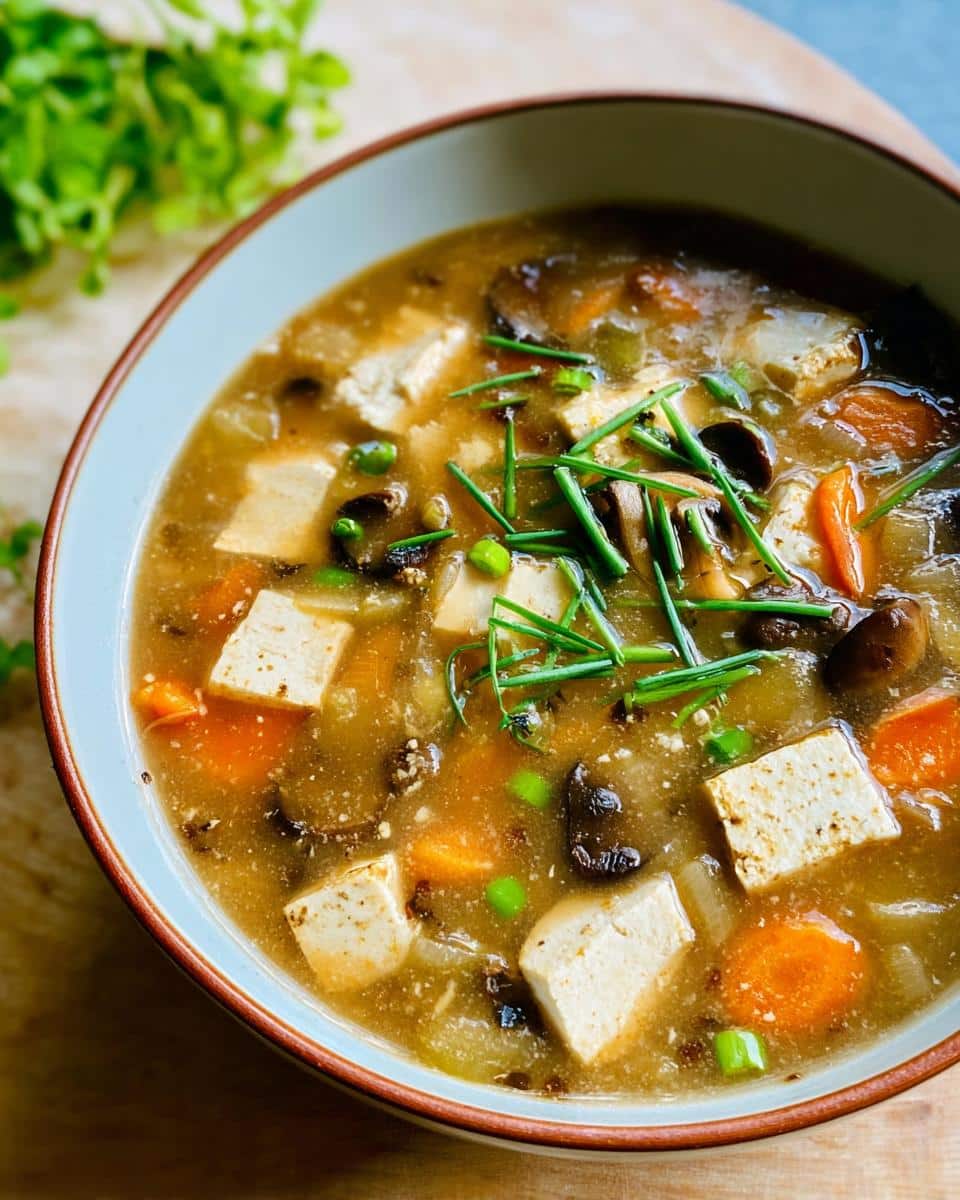
And if you dared to snap a picture of your beautiful steaming bowl—especially if you went heavy on the chives and cilantro garnish—please share it! Tag me over on social media so I can see your creations. It truly inspires me to keep sharing these simple, soulful recipes.
There’s nothing better than knowing a quick, healthy dish like this Miso Ginger Vegetable Soup brought a little comfort and flavor to your table tonight. Happy cooking, friends! If you ever have questions or just want to send a recipe request my way, don’t hesitate to reach out through my contact page.
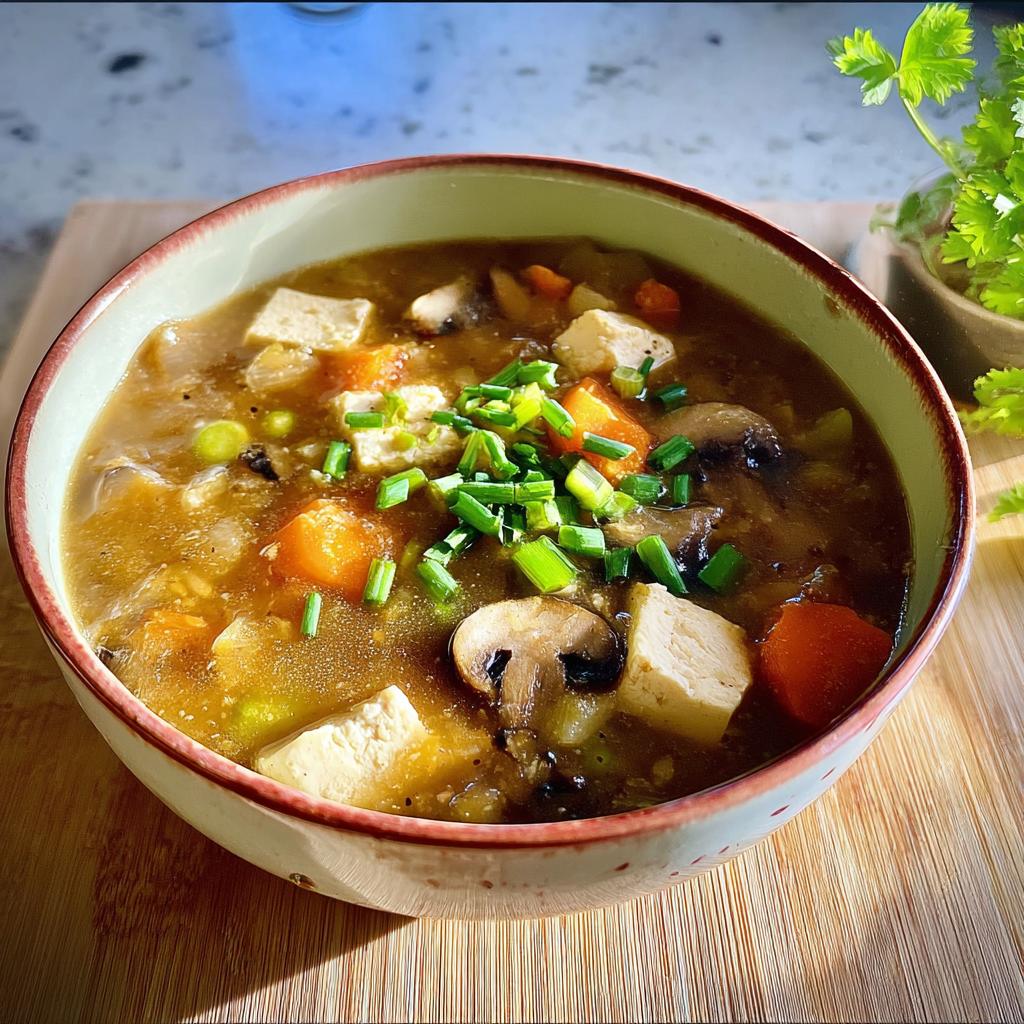
Miso Ginger Vegetable Soup
Ingredients
Equipment
Method
- Drain and press the tofu using a dishcloth to remove excess water. Cut the tofu into small cubes.
- Turn on the instant pot or a large pan to medium heat. Add the onions and jalapeno and sauté until you see caramelization.
- Since you are not using oil, add a tablespoon of broth or water during this process so the onions do not stick.
- Add the celery and continue to sauté for another 5 minutes.
- Add the carrot and mushroom and continue sautéing. This step is important to bring out some caramelization of the vegetables for better flavor.
- Do not add salt yet because the miso is salty; you will adjust the salt level later.
- Add the broth or water. If using an instant pot, pressure cook for 2 minutes. If using a regular pot, cook at medium heat for 10 minutes.
- While the soup cooks, mix the miso and ginger in a cup of broth or water. You can also use hot broth from the soup later for this step.
- Once the pressure has self-released (if using an instant pot), add the miso-ginger mixture and the tofu cubes. Simmer for a couple of minutes, adjusting the salt as needed.
- Top this soup with chives and fresh cilantro before serving.